A quick fix fades fast. A sustainable Botox plan puts you in control of how your face ages and how you show expression in high‑stakes moments, without chasing constant touch-ups or trading natural motion for a frozen look. I’ve guided patients through this process for more than a decade, and the success stories share a pattern: accurate anatomy reading, conservative dosing at the right intervals, and clear goals matched to lifestyle and facial muscle behavior.
What “Sustainable” Means in Practice
Sustainable does not mean minimal at any cost. It means you can maintain results across seasons, job cycles, and stress swings without roller‑coaster changes in your appearance. You look like yourself, with less facial fatigue and fewer stress related wrinkles. The plan acknowledges three realities. Your muscles are not all the same strength, your expressions are not random, and your schedule needs predictability.
In clinical terms, this translates to a conservative dosing philosophy grounded in anatomy guided injections, periodic assessments of muscle strength, and timing that respects product pharmacodynamics. Many patients do best on a 3 to 4 month rhythm. Some shift to 4 to 6 months after the first year as overactive facial muscles calm and wrinkle memory fades. A sustainable aesthetic strategy aims at neuromuscular balance, not paralysis.
Start With the Map, Not the Syringe
Every face has a dynamic blueprint. Before planning units, I watch how you speak, react, and rest. We assess habitual frowning, chronic brow tension, eyebrow asymmetry, and overactive facial muscles that pull features off center. I note the direction of pull, not just the crease lines, because motion patterns drive wrinkles over time.
For example, someone with chronic brow tension and a tendency toward eyebrow asymmetry will often show unequal frontalis recruitment. If we inject the frontalis evenly, we may worsen the imbalance, dropping one brow and arching the other. The fix is a tailored injection mapping strategy, placing slightly higher doses where the lift is strongest and microdosing techniques where we want movement preserved. This is the essence of a movement preserving approach, also known as a natural motion technique.
Case vignette: A television producer with a fast, expressive face arrived worried about looking less authentic on camera. She also had deep glabellar lines, the result of habitual frowning in edit bays and late‑night deadlines. We used a precision placement strategy across the corrugators and procerus to relax the frown complex, then microdosed the frontalis laterally to prevent compensatory over‑raising. The result kept her brow mobility for on‑air coaching and cut her end‑of‑day facial fatigue in half by her report.
Facial Movement Science and “Wrinkle Memory”
Wrinkles are often labeled static or dynamic, but the driver is behavior over time. Repeated contraction creates crease memory. I see this in people who squint while coding, grip the brow when reading, or pull the chin upward when concentrating. Botox for expressive face control is less about muting who you are and more about retraining overused patterns so the skin can reset. Short‑term relaxation interrupts the cycle that builds etched lines.
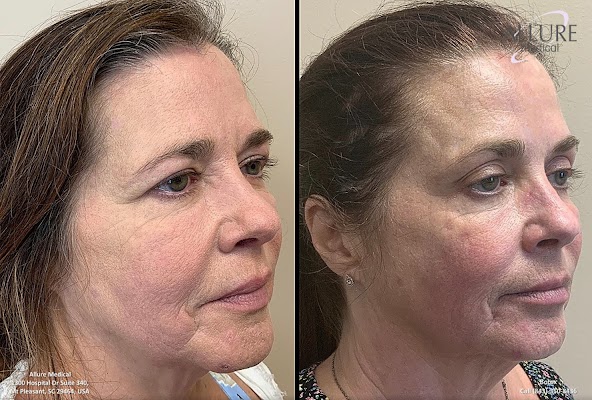
Wrinkle memory softens in stages. Early in treatment, you see smoother skin during motion and at rest, with the biggest change around week two. Over 6 to 12 months, assuming consistent sessions, the baseline crease depth often reduces further because collagen does not get repeatedly crumpled. Patients call this proactive wrinkle management, and it is a key piece of an aging gracefully approach.
Conservative Dosing That Still Delivers
There is a myth that only high unit counts can tame strong muscles. In practice, a conservative dosing strategy often outperforms heavy dosing when it is customized by muscle strength and fiber direction. Strong corrugators? Target their medial bulk precisely, then feather the procerus junction. Heavy lateral frontalis pull? Place shallow, widely spaced units in the lateral third to dial down peak arching while preserving central lift. A precision placement strategy lets you use fewer units and still achieve dynamic wrinkle management.

Experienced injectors use a combination of tactile feedback and visual cues. I palpate during activation to feel tendonous bands, then plan depth and diffusion accordingly. For thin skin or a high forehead, we adjust dilution so spread stays controlled. This anatomy guided method supports a tailored injection mapping approach without guesswork.
Managing Facial Muscle Imbalance
Asymmetry is the rule, not the exception. Most of us chew on one side, squint with a dominant eye, or lift one eyebrow when thinking. Botox for facial muscle imbalance focuses on small corrective doses that restore balance rather than creating new weaknesses. If one depressor anguli oris is stronger and drags the corner of the mouth, we can lift the resting angle by relaxing the dominant side. If one orbicularis oculi triggers crow’s feet earlier, microdoses there protect the texture while keeping a genuine smile.
Edge case: A patient with past Bell’s palsy has lingering asymmetry and overuse on the non‑affected side. Heavy dosing worsens the discrepancy. Here we use microdosing spaced over two sessions, watching compensation patterns between visits. The goal is neuromuscular balance, not symmetry at all costs. When the face reads balanced, confidence follows, and maintenance becomes easier.
Stress Face, Facial Fatigue, and Composure
Stress shows up first as muscle overuse. Chronic brow tension can produce headaches, eye strain, and a stern resting tone in meetings. Botox for facial tension relief interrupts that loop. Patients often report fewer end‑of‑week headaches and less facial fatigue after they stop scowling without noticing. In roles that require executive image and leadership presence, removing the resting frown helps others read your message rather than your stress level.
A presenter preparing for a product launch usually has two fears: looking frozen on a 30‑foot screen and forming new stress related wrinkles during rehearsals. For these on‑camera professionals, we favor a movement preserving approach with extra time between consult and filming. We inject 3 to 4 weeks before, then schedule a 10 to 14 day review to fine‑tune. The buffer allows for expression focused planning, tiny add‑ons if a brow is peaking, and assurance that articulation is not affected.
Expression Preservation Is the Point
A sustainable plan protects expressions that define you. Smiling lines soften, they should not vanish to plastic smoothness. When I plan a session, I ask what expressions matter for your work and relationships. For therapists and coaches, empathy reads through the eyes, so we tend to leave a touch more orbicularis activity. For litigators, brow composure can be strategic. For teachers and interview candidates, a rested forehead and equal brow height can communicate clarity and poise. This is Botox for presentation confidence and camera ready confidence grounded in your role, not a one‑look standard.
Across all these cases, treatment aligns with the idea of facial wellness. We aim for facial relaxation therapy where needed, and intact mobility where expression signals trust. If your face lives in public, subtle enhancement planning is not optional, it is the plan.
Microdosing and Minimal Intervention, Used Wisely
Microdosing techniques shine when muscle mass is small, when skin is thin, or when the risk of drift into unwanted areas is high. Think of lateral crow’s feet, bunny lines, or a high hairline frontalis. The method reduces the chance of heavy brow, lip asymmetry, or smile dampening. Minimal intervention does not mean barely treating. It means placing the least amount of product necessary to meet the function and aesthetic goal. Over time, this approach can extend intervals because the muscles adapt and wrinkle habit prevention takes hold.
However, microdosing has limits. Thick corrugators or a deepened glabellar crease from decades of habitual frowning may need a standard dose at first. Once the crease softens and behavior changes, we often step down to a lighter, maintenance pattern.
Planning for Longevity: The First Year vs. Years Two and Three
The first year is about establishing control and learning your response curve. Expect dosing adjustments at visit two as we calibrate to your anatomy. By visit three, many patients report smoother activation patterns and lighter pulling in overactive facial muscles. If you keep consistent timing, collagen remodeling and less fold repetition make lines slower to return. This is when we sometimes increase the interval modestly without losing quality.
By years two and three, we refine for sustainability. The plan may include alternating focus areas per visit. One cycle emphasizes the glabella and forehead, the next adds periorbital microdosing. This rotation avoids over‑treating any one zone while keeping global balance. For patients with interview preparation or major presentations, we anchor timing to key dates, then follow with a maintenance check a month later.
The Psychology: Mindset, Expectations, and Identity
Botox carries emotional weight. People often expect a surge in confidence, and many do feel it, but it works best when framed as support for your existing identity. Before treatment, get clear on the why. Are you seeking relief from chronic brow tension, or are you chasing an image that feels borrowed? That clarity becomes a filter for decisions and prevents escalation.
Expectation alignment matters. I tell patients that Botox can slow expressive aging and support skin aging prevention by reducing repetitive folds, yet it will not erase etched grooves overnight. It operates as part of a facial wellness approach that may also include sunscreen, sleep, and light resurfacing procedures. When results match goals, Botox satisfaction psychology improves, and you avoid the temptation to overcorrect at the first sign of motion.
A brief anecdote: An executive in a public facing role wanted stronger leadership presence without losing warmth. We refined her frown complex, evened eyebrow asymmetry, and left the outer smile natural. She reported better feedback in boardrooms, not because her face shouted authority, but because it stopped broadcasting fatigue. Small changes aligned with her identity, and she kept the same plan for three years with minor tweaks.
Anatomy Details That Keep You Safe and Natural
Safety and natural results depend on understanding depth, diffusion, and neighboring structures. In the glabella, injections too inferior risk eyelid ptosis, so we respect a ceiling for the procerus and corrugators and angle away from the orbit. In the forehead, overly low injection lines can drop the brow, especially in those whose frontalis is the only elevator. For crow’s feet, superficial placement in the lateral orbicularis protects the zygomatic smile lines and keeps the cheek from flattening.
Botox customization by muscle strength avoids common pitfalls. Heavy frontalis combined with low set brows needs special planning. We keep more central lift and reduce lateral pull just enough to prevent the “surprised” look. For thin male foreheads with strong scowl muscles, doses may be higher in the glabella and lighter in the frontalis to keep a masculine brow.
Building a Holistic Aesthetic Plan Around Botox
Botox fits best inside a holistic aesthetic planning framework. The product manages motion and neuromuscular balance. Skin quality responds to daily habits and occasional treatments. If you want lasting change, coordinate your efforts.
A short, practical cadence works well:
- Establish baseline photos and a movement map on day zero, then schedule your first review at two weeks. Commit to three consistent treatment cycles to retrain overactive patterns before extending intervals.
Outside these steps, the plan continues in prose. Keep sunscreen near your workspace and in your bag. Train your jaw and brow to rest with simple cues. Hydrate in a way you can actually maintain. If mouth corners pull down when you think, place sticky notes at your monitor edges to check your face posture. Small, repeatable actions reinforce what Botox is doing internally.
Professionals, Public Roles, and Strategic Timing
For executives and on camera professionals, timing is a tool. I plan treatments at least 21 days before a shoot or a keynote. Week two is when Botox peaks. A day 14 review allows micro‑adjustments so nothing distracts on screen. For athletes or those with travel heavy calendars, we factor in altitude, sleep changes, and recovery windows to reduce bruising risk. For interview preparation, a single, well‑planned session can reduce stress face and lend facial composure without the telltale frozen effect.
Workplace appearance is not about perfection. It is about consistency. If your face reads rested and composed across quarters, people focus on your content. That is where Botox for professionals appearance earns its keep.
Decision Making: Is This the Right Move for You?
The decision making process should be methodical. Bring your aesthetic goal setting into the consult. Clarify which expressions must stay lively and which tug on your face by habit. If you clench your jaw, mention it. If you squint in bright conference rooms, say so. The more honest the intake, the cleaner the plan.
For those concerned about identity considerations, start smaller. Use a minimal intervention strategy in one region. Live with it for a cycle. Notice how you feel on camera, in meetings, and at home. If the change supports your self perception without feeling like a mask, expand the plan gradually. Long term maintenance planning is easier when you give yourself permission to iterate.
How Maintenance Actually Feels Month to Month
Patients often ask what the calendar looks like. Months one and two usually feel crisp, with reduced frown tendency and less forehead flutter during concentration. Month three depends on metabolism and muscle bulk. Some motion returns, but without the same force, and lines do not reappear as deeply if wrinkle memory has Mt. Pleasant botox been interrupted. By month four, most people are ready to refresh if they value steady composure. A few, especially those who started early or who respond strongly, stretch to month five or six.
There is nothing magical about an exact number. Sustainability comes from not letting the pendulum swing. If you aim for consistent 80 to 90 percent control of your overactive areas and maintain natural motion elsewhere, you can live life between visits without feeling like the clock is constantly ticking.
Trade‑offs and Edge Cases
No plan is perfect. A handful of trade‑offs are worth stating clearly. Heavier dosing near the crow’s feet can open the eyes, yet it may slightly alter the smile footprint. Microdosing in the upper lip for gummy smile correction can soften vertical lip lines, yet some patients feel speech stiffness for a few days. Treating the chin’s mentalis dimpling smooths texture, yet excessive dosing can flatten lower face animation. Each of these choices sits on a spectrum. We adjust based on your tolerance for change and your daily demands.
Two edge cases deserve attention. Patients with very low resting brows and strong upper eyelid skin redundancy need conservative forehead dosing to avoid heaviness. The strategy often focuses on glabella control, then fractional frontalis placement higher on the forehead. Second, hypermobile expressers with thin skin benefit from more frequent, lower dose sessions. This respects their expressive aging pattern while taming overuse.
Costs, Units, and What Value Means Over Time
Value is not only the price per unit but the predictability of outcomes. A precise, expression focused plan often uses fewer units for the same or better quality because diffusion is controlled and targets are accurate. Over a year, the difference between a rushed, generic forehead and a tailored injection mapping approach can be fewer touch‑ups, less need for corrective visits, and smoother transitions between cycles.
Some patients worry that conservative dosing means returning more often. In my practice, once we pass the first two cycles, interval length tends to stabilize. The goal is appearance longevity planning, not a cheap first session.
Integrating Habit Change: Botox and Facial Muscle Retraining
Botox quiets the signal. You supply the new habit. During the active window, practice relaxed brow and neutral jaw. Use your phone’s camera to check your resting face once a day, the way singers check posture. This is not vanity. It is behavior training that supports neuromuscular balance. Over months, the amount of effort it takes to avoid a scowl drops, and Botox becomes a smaller lever in your system rather than the only lever.
For those in high stress roles, consider micro‑break cues every hour. Blink slowly, release the brow, and let the tongue rest on the floor of the mouth to relax the jaw and midface. These practices reduce muscle overuse and extend the benefits of a conservative dosing plan.
What Success Looks Like After a Year
By month twelve, the best sign of success is boredom. Your face looks like you, day after day, without drama. Colleagues comment that you look rested, not “treated.” Photographs show fewer surprise arches, smoother glabellar area, and eyes that read open yet alive. You feel less facial fatigue at the end of long days. You rely less on heavy makeup to fill creases. You schedule treatments the way you schedule oil changes, not emergencies. That is a sustainable aesthetic strategy.
A Short Pre‑Treatment Checklist
Use this quick list to prepare with intention.
- Identify your top two expressions to preserve and the one overactive pattern to reduce. Time your session at least 21 days before key appearances or travel.
Everything else returns to narrative. Bring reference photos that reflect your goals, not celebrity templates. Share your medical history honestly, including supplements that affect bruising. Plan a light day after injections so you can avoid intense exercise or facial massages that could shift product in the first hours. Set a follow‑up date before you leave. These small actions make outcomes more predictable.
Final Thoughts From the Chair
A sustainable Botox plan is not a trend. It is skilled restraint matched to real anatomy and real lives. When we prioritize expression preservation, precision placement, and rhythm, we get an effect that supports your voice rather than muting it. Whether you seek stress face correction, camera ready confidence, or long term facial aging support, the method is the same. Map the motion, set clear intent, dose with care, and let time work for you.
If you treat your face as a system, Botox becomes a tool for balance. You manage dynamic wrinkles without erasing the story your expressions tell. You step into high stakes rooms with facial composure that matches your preparation. And you maintain it, month after month, without chasing the next fix. That is sustainable aesthetics in practice.